
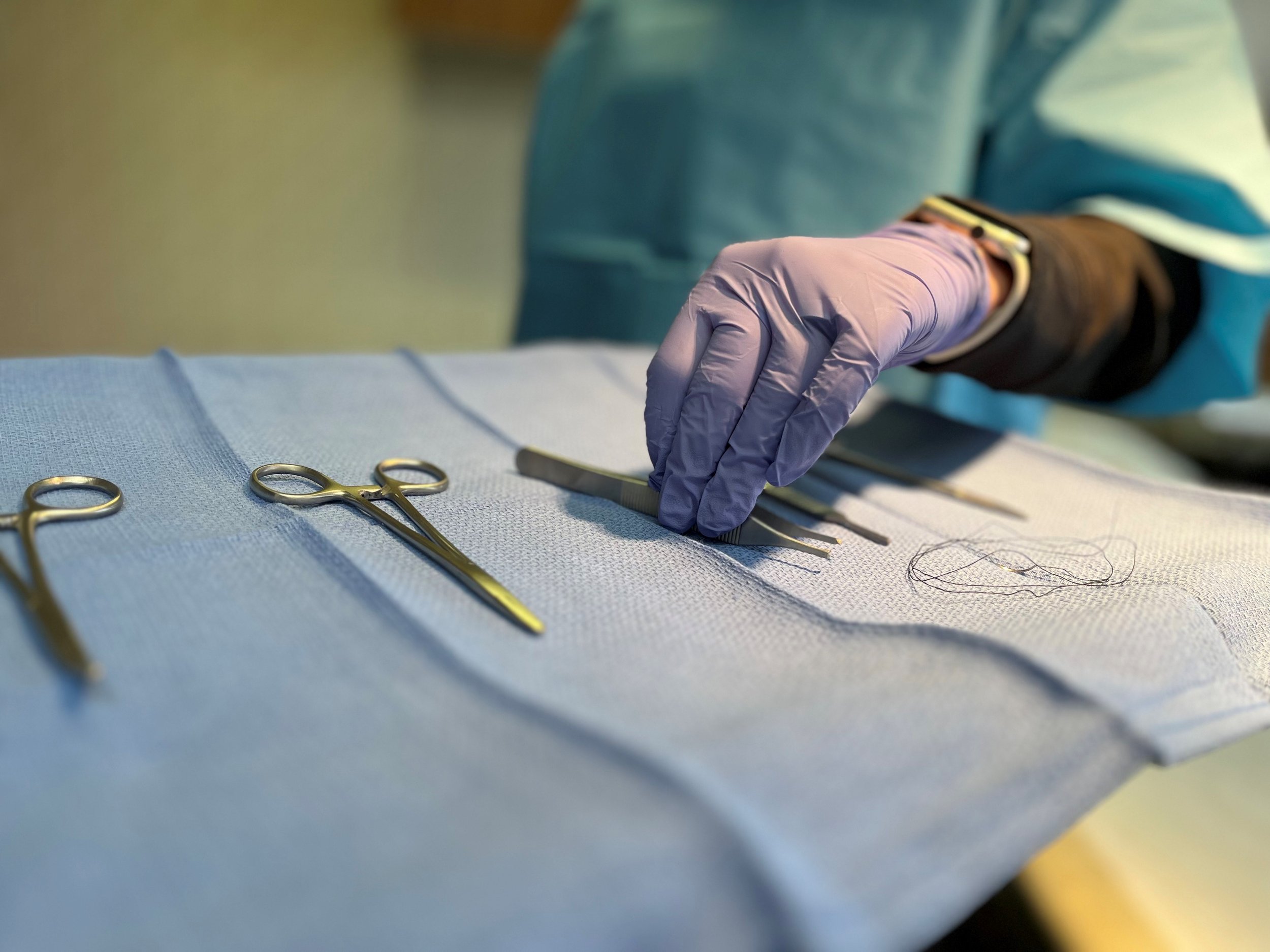
Treatment for All Your Surgical Needs
Gallbladder & Abdominal Pain
-
Gallstones are hardened deposits of digestive fluid that form in the gallbladder. They can block bile flow, causing sudden, intense pain in the upper right abdomen, nausea, vomiting, bloating, and indigestion.
Some people may have no symptoms, while others experience recurring discomfort after eating fatty meals.
-
Gallbladder disease occurs when the gallbladder, a small organ that stores bile, becomes inflamed or develops stones.
Symptoms can include upper abdominal pain, especially after eating fatty foods, nausea, vomiting, bloating, indigestion, and sometimes jaundice (yellowing of the skin or eyes).
-
Abdominal pain evaluation involves assessing the cause of discomfort in the stomach or abdomen.
Symptoms prompting evaluation include persistent or severe pain, bloating, nausea, vomiting, cramping, changes in bowel habits, or tenderness. Timely assessment helps diagnose conditions like infections, hernias, or digestive disorders.
Lumps, Skin & Soft Tissue
-
Lipomas are benign (noncancerous) fatty tumors that develop just under the skin. They are usually soft, movable, and painless, but can occasionally cause discomfort if they press on nerves or grow large. Most lipomas are harmless and slow-growing, requiring treatment only if symptomatic or bothersome.
-
Cysts are closed sacs or pockets in the body filled with fluid, pus, or other material. They can develop in various tissues, including skin, organs, or bones.
Symptoms vary by type and location but may include a noticeable lump, tenderness, swelling, pain, or sometimes no symptoms at all.
-
Skin lesions are abnormal changes in the skin, such as bumps, sores, or discolored patches, which can be benign or a sign of disease.
Skin cancer occurs when abnormal skin cells grow uncontrollably, often presenting as new or changing moles, sores that don’t heal, discoloration, or irregularly shaped growths.
-
Breast lumps are abnormal masses or thickened areas in breast tissue. While many are benign, some may indicate breast cancer, which involves uncontrolled growth of breast cells.
Warning signs include a hard or irregular lump, changes in breast shape or skin, nipple discharge, or persistent pain in the area.
-
A pilonidal cyst is a fluid-filled pocket that forms near the tailbone at the top of the buttocks. It can become infected, causing pain, swelling, redness, and drainage or pus. When recurrent or infected, it may require drainage or surgical removal to prevent ongoing discomfort and infection.
-
An abscess is a localized infection that forms a pocket of pus under the skin or within tissues. Symptoms include a painful, swollen, red, and warm area that may drain pus and feel firm or tender. Treatment often involves incision and drainage to remove infection and promote healing.
-
Wound care focuses on promoting healing of acute and chronic wounds through specialized treatments.
Debridement removes damaged or dead tissue to reduce infection and allow healthy tissue growth.
Wound VAC therapy uses negative pressure to increase blood flow, decrease swelling, and accelerate healing.
Skin grafts help close complex wounds by covering areas with healthy skin to restore tissue integrity and support recovery.
Colon & Digestive Conditions
-
A Colonoscopy and EGD (esophagogastroduodenoscopy) are procedures that examine the digestive tract.
Colonoscopy checks the colon for polyps, inflammation, or cancer, while EGD inspects the esophagus, stomach, and upper small intestine.
Both help diagnose issues like bleeding, pain, or digestive disorders, often with minimal discomfort.
-
Diverticulitis is the inflammation or infection of small pouches (diverticula) that form in the walls of the colon.
Symptoms often include lower abdominal pain, fever, nausea, bloating, constipation or diarrhea, and, in severe cases, tenderness or swelling in the affected area.
-
Colon cancer is the uncontrolled growth of abnormal cells in the large intestine (colon). Early stages may have no symptoms, but common signs include changes in bowel habits, blood in the stool, abdominal discomfort, unexplained weight loss, fatigue, and a persistent feeling of incomplete bowel emptying.
Evaluation often begins with a medical history, physical exam, lab work, imaging, and colonoscopy to help confirm a diagnosis and determine the stage of disease. When found early, colon cancer is often highly treatable.
-
Small bowel obstruction is a blockage in the small intestine that prevents normal digestion and movement of contents.
Symptoms include severe abdominal pain, bloating, nausea, vomiting, constipation or inability to pass gas, and abdominal swelling. It is a medical emergency requiring prompt evaluation and treatment.
-
Hemorrhoids are swollen and inflamed veins in the rectum or anus that can cause pain, itching, swelling, and bleeding, especially during bowel movements. When symptoms persist or become severe, treatment options range from dietary changes and office procedures to surgical removal to relieve discomfort and prevent recurrence.
-
Appendicitis is inflammation of the appendix, a small pouch attached to the large intestine. It typically causes sudden abdominal pain that often starts near the belly button and moves to the lower right side, along with nausea, fever, and loss of appetite. Treatment usually involves surgical removal of the appendix (appendectomy) to prevent rupture and serious infection.
Hernias
-
An inguinal hernia occurs when tissue, often part of the intestine, pushes through a weak spot in the lower abdominal wall near the groin.
Common symptoms include a noticeable bulge, discomfort or pain when coughing, lifting, or bending, and a heavy or dragging sensation in the groin area.
-
An umbilical hernia happens when part of the intestine or abdominal tissue protrudes through the abdominal wall near the belly button.
Symptoms often include a soft bulge at the navel, discomfort or pain when coughing or straining, swelling, and, in some cases, tenderness or redness around the area.
-
A ventral hernia occurs when tissue or part of the intestine pushes through a weak spot in the abdominal wall, often at a previous surgical site.
Symptoms include a visible bulge, discomfort or pain, especially when lifting or straining, swelling, and a feeling of pressure or heaviness in the abdomen.
-
A hiatal hernia occurs when part of the stomach pushes up through the diaphragm into the chest cavity.
Common symptoms include heartburn, acid reflux, chest discomfort, difficulty swallowing, belching, and sometimes nausea. Small hiatal hernias may cause no noticeable symptoms at all.
Men’s Procedures
-
A vasectomy is a simple, outpatient procedure for permanent birth control in men. It involves sealing or cutting the vas deferens so sperm can no longer reach the semen. The procedure is quick, highly effective, and offers a reliable long-term option for men who have completed family planning.
-
Circumcision is a minor surgical procedure that removes the foreskin from the tip of the penis. It may be performed for medical, personal, or cultural reasons. The procedure is typically quick and done on an outpatient basis, with most patients recovering within a short period and experiencing minimal discomfort.
Veins & Vascular
-
Varicose veins are swollen, twisted veins that usually appear in the legs due to weakened or damaged valves. Symptoms include visible bulging veins, aching, heaviness, swelling, cramping, itching, or skin discoloration. They can cause discomfort and, in severe cases, lead to ulcers or circulation problems.
-
A Port-a-Cath is a small medical device implanted under the skin, usually in the chest, to provide long-term access to veins. It allows easy delivery of medications, fluids, or blood draws. Symptoms of complications can include infection, swelling, redness, pain at the site, or difficulty accessing the port.
Women’s Procedures
-
Here at Liberty Clinic we perform tubal ligation as a laparoscopic bilateral salpingectomy which has the added benefit of decreasing a woman's risk of developing ovarian cancer by at least half. As ovarian cancer is a deadly cancer with no good screening options, this is the most up-to-date and best option for female permanent sterilization.
-
A hysterectomy is a surgical procedure to remove a woman’s uterus. It may be done to treat conditions like fibroids, endometriosis, cancer, chronic pain, prolapse, or heavy menstrual bleeding. Depending on the type, it may also involve removing the cervix, ovaries, or fallopian tubes.
-
Many options exist for management of heavy menstrual bleeding - including surgical options such as uterine ablation or hysterectomy.
-
An ovarian cyst or mass is a fluid-filled sac or solid growth that develops on or within an ovary. While many are benign, some may require surgical evaluation or removal.
At Liberty Clinic, we treat benign cysts and masses when surgery is needed, and if cancer is suspected or confirmed, we coordinate prompt referral to GYN oncology for specialized care.
Other Common Procedures
-
Carpal tunnel syndrome occurs when the median nerve is compressed at the wrist, leading to numbness, tingling, pain, or weakness in the hand and fingers. When symptoms persist, carpal tunnel release surgery is performed to relieve pressure on the nerve by cutting the transverse carpal ligament, improving function and reducing discomfort.
-
Trigger finger is a condition where a finger gets stuck in a bent position due to inflammation and narrowing around the tendon sheath. It can cause pain, stiffness, and a clicking or locking sensation. Treatment may include injections or a minor outpatient procedure to release the tendon and restore smooth finger movement.
-
Feeding tube placement provides nutrition and hydration when a patient cannot safely eat or swallow by mouth. Tubes may be placed temporarily or long-term, depending on medical needs. This procedure helps maintain strength, support healing, and ensure proper nutritional intake during recovery or chronic illness.
-
A ganglion cyst is a noncancerous, fluid-filled lump that commonly develops along tendons or joints, often in the wrist or hand. It may cause pain, pressure, or limit movement. Treatment options include observation, aspiration, or surgical removal when the cyst is painful, recurrent, or restricts function.
-
An ingrown toenail occurs when the edge of the toenail grows into the surrounding skin, causing pain, redness, swelling, and sometimes infection. It commonly affects the big toe and can make walking or wearing shoes uncomfortable.
When conservative care is not effective, a minor in-office procedure may be performed to remove the affected nail edge or part of the nail root to relieve pain, treat infection, and help prevent recurrence.